If you’re already working as an ASO practitioner — optimizing titles, descriptions, icons, screenshots — you know how important it is to increase visibility in the store. But in a crowded and fast‑moving app ecosystem, metadata tweaks alone may not be enough for sustainable success.
That’s why adding app competitor analysis — evaluating real market performance, rankings, downloads, revenue trends, and competitor behavior — can give you a stronger strategic edge. Below I explain why, and how this broader lens complements what you already do.
Why ASO Alone Has Its Limits
- ASO optimizes visibility — but not competitive context or market dynamics. ASO helps your app show up in relevant searches or browse results. But it doesn’t tell you how saturated that niche is, how aggressively competitors are scaling, or where user demand is shifting.
- Stores and algorithms evolve; user demand and monetization patterns shift. Even with perfect metadata, new competitors might rapidly rise, features might become outdated, or monetization models might change — and these are areas outside typical ASO scope.
- Metrics inside a store don’t show full picture. ASO doesn’t surface competitor download velocity, revenue estimates, global ranking trends, or cross‑platform performance — all of which can affect long‑term viability, especially in competitive categories like mobile games.

In other words: ASO helps optimize how you present your app — but competitor analysis helps you decide which app you should be, when, and how aggressively you compete.
What App Competitor Analysis Adds — Key Dimensions to Consider
When you apply competitor analysis beyond metadata, you can track:
- Downloads and estimated revenue trends — to gauge actual traction and monetization strength of competing apps.
- Store rankings across regions and platforms — to see where competitors are doing well, and where the market may be underserved.
- Update cadence, feature changes, release/maturity rhythm — to detect when a competitor is pushing hard (new features, major update) or slowing down.
- User feedback and sentiment across competitors — to identify common pain points or unmet user needs, which can guide your product or launch strategy.
- Cross‑app comparisons over time — helping you benchmark realistic goals (download rate, retention expectations, monetization potential) rather than chasing unrealistic KPIs.
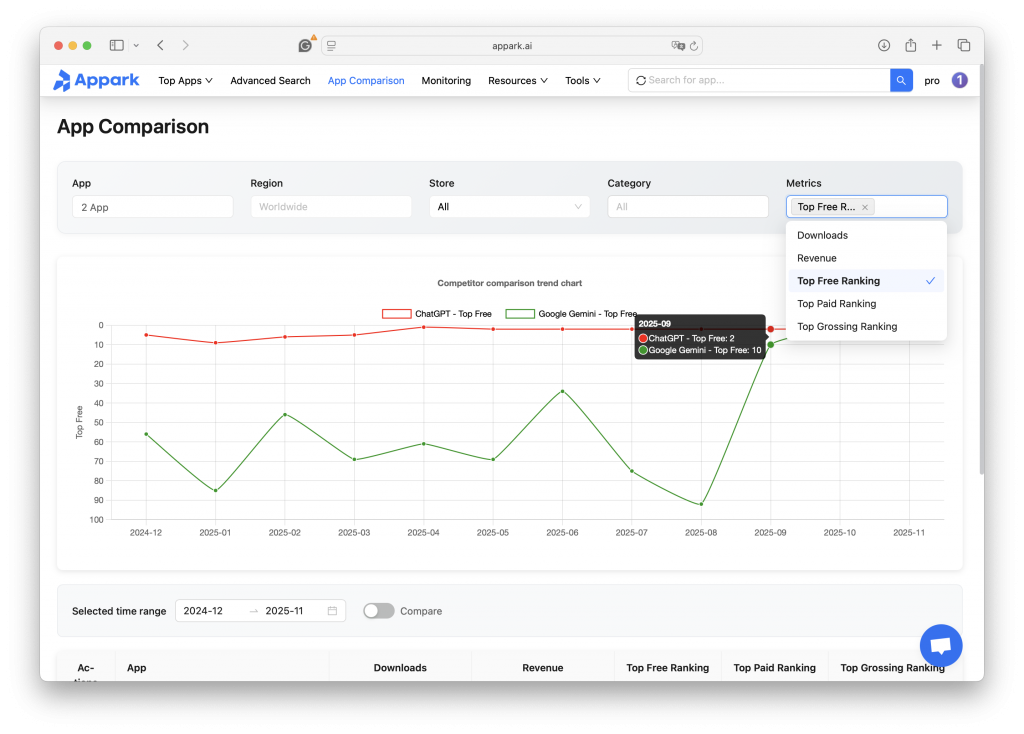
This multi‑dimensional view helps transform ASO from tactical store optimization into strategic market positioning.
How Growth Teams / ASO Practitioners Can Incorporate Competitor Analysis
Here’s a practical workflow you can adopt — alongside, or after, your ASO work:
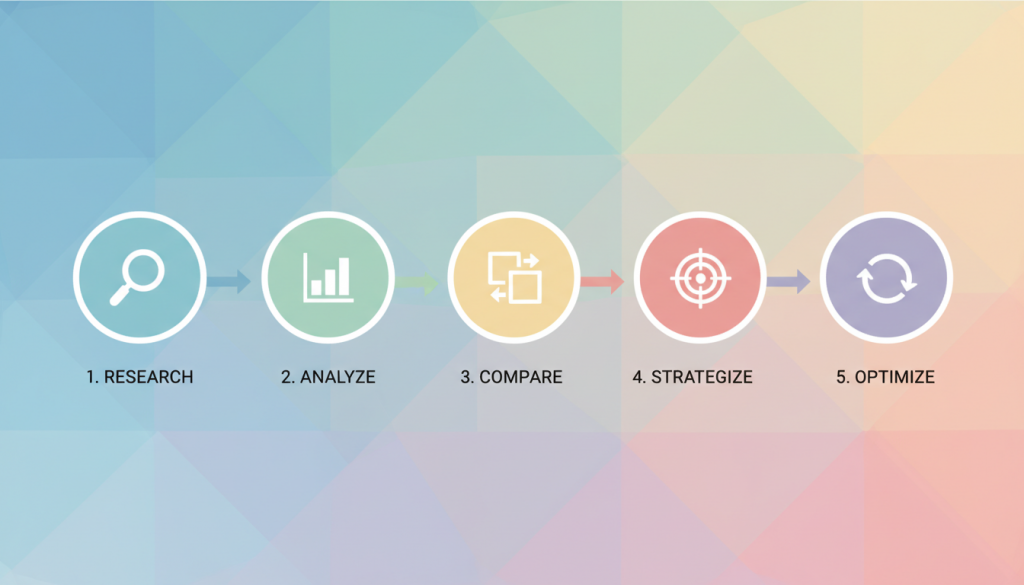
- Define a competitor set — include direct rivals (same genre/function), indirect substitutes (similar user needs), and regional variants if you plan global launch.
- Use a competitor‑analysis dashboard or tool (or periodic manual tracking) to monitor downloads, revenue trends, rankings, and update history.
- Periodically review competitor user reviews and feedback — note recurring complaints or feature requests as inspiration or red flags.
- Compare competitor metrics against your own ASO data — this helps you set realistic growth targets, define monetization or retention goals, and choose where to differentiate.
- Maintain ongoing monitoring — market conditions shift fast; new apps rise, old ones pivot, user preferences evolve. Treat competitor analysis as a continuous process, not a one‑time audit.
Want to Dive Deeper?
I explored this in more detail in another article — Why Mobile App Competitor Analysis Matters Before Startup? — where I argue that competitor analysis should be a foundational part of any pre‑launch or growth strategy.

If you care about long‑term growth and realistic market positioning for your app (especially in competitive categories like games), I strongly recommend giving it a read.
Key Takeaways
- ASO is necessary — but insufficient on its own for sustainable growth in crowded markets.
- App competitor analysis gives you strategic context — market saturation, monetization benchmarks, competitor behavior — beyond what store metadata shows.
- Combining ASO with competitor‑level insights helps you make smarter decisions about positioning, launch timing, monetization and UA strategy.
- Competitor analysis isn’t a one‑off task — it should be part of your ongoing growth process.